
Resources / engineering scenarios

PCB & PCBA Build Examples

See how board and assembly choices change when a design has high current, fine-pitch parts or controlled-impedance signals.

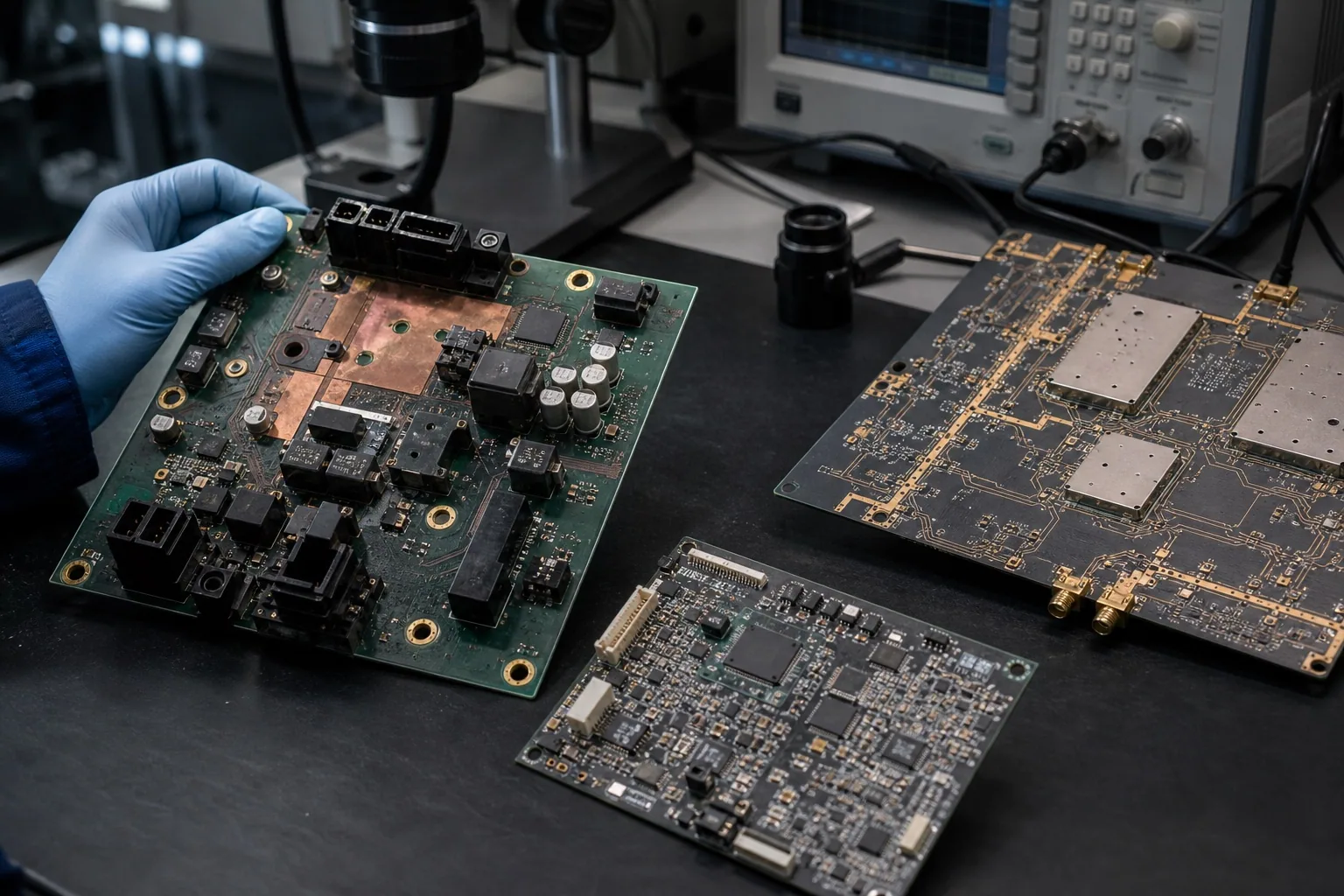
PCB engineering workbench used to illustrate representative project scenarios
AI-generated product illustration — not a customer project.

Review scenarios

Find the build question closest to your design.

These are illustrative examples, not completed customer projects. Use them to identify the files and design requirements worth discussing with a manufacturer.

Back to Resources →
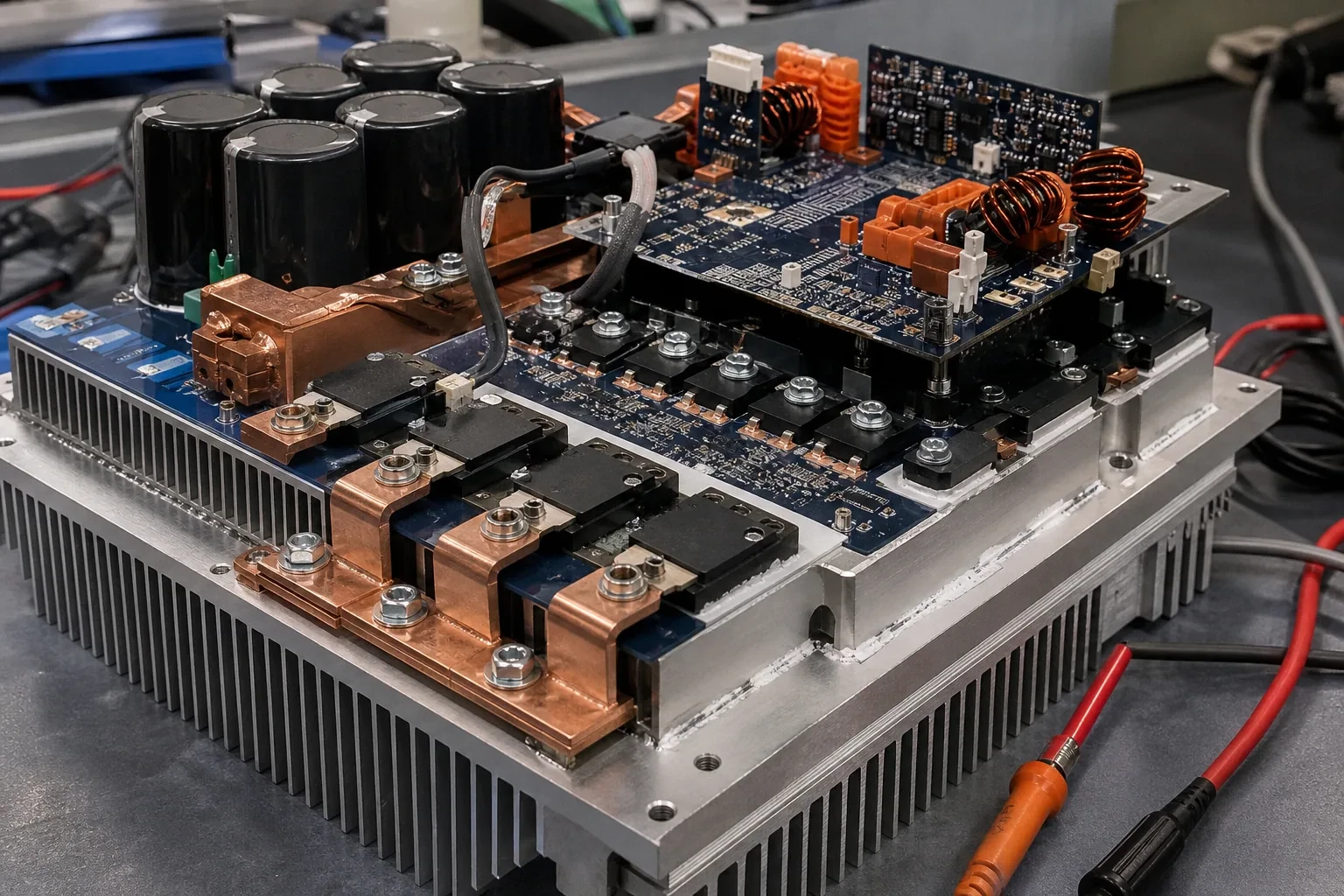
Representative heavy-copper power module engineering scenarioAUTOMOTIVE

AI-generated product illustration — not a customer build.

AUTOMOTIVE

Heavy-Copper PCB for a Power Module

DESIGN QUESTION

A compact power board has to carry current without creating hot spots or exceeding the enclosure height. Copper thickness, trace width and thermal paths all affect the board design.

WHAT TO DISCUSS

Share the expected current, operating temperature and mechanical drawing. The fabrication discussion can then cover stackup, copper distribution, drill sizes, heat spreading and where inspection access is needed.

NEXT STEP

The next useful decision is a stackup and test plan that fit the actual power and thermal requirements, with any project-specific records agreed before ordering.
HEAVY COPPERTHERMAL REVIEWTRACEABILITY PLANINSPECTION PLAN
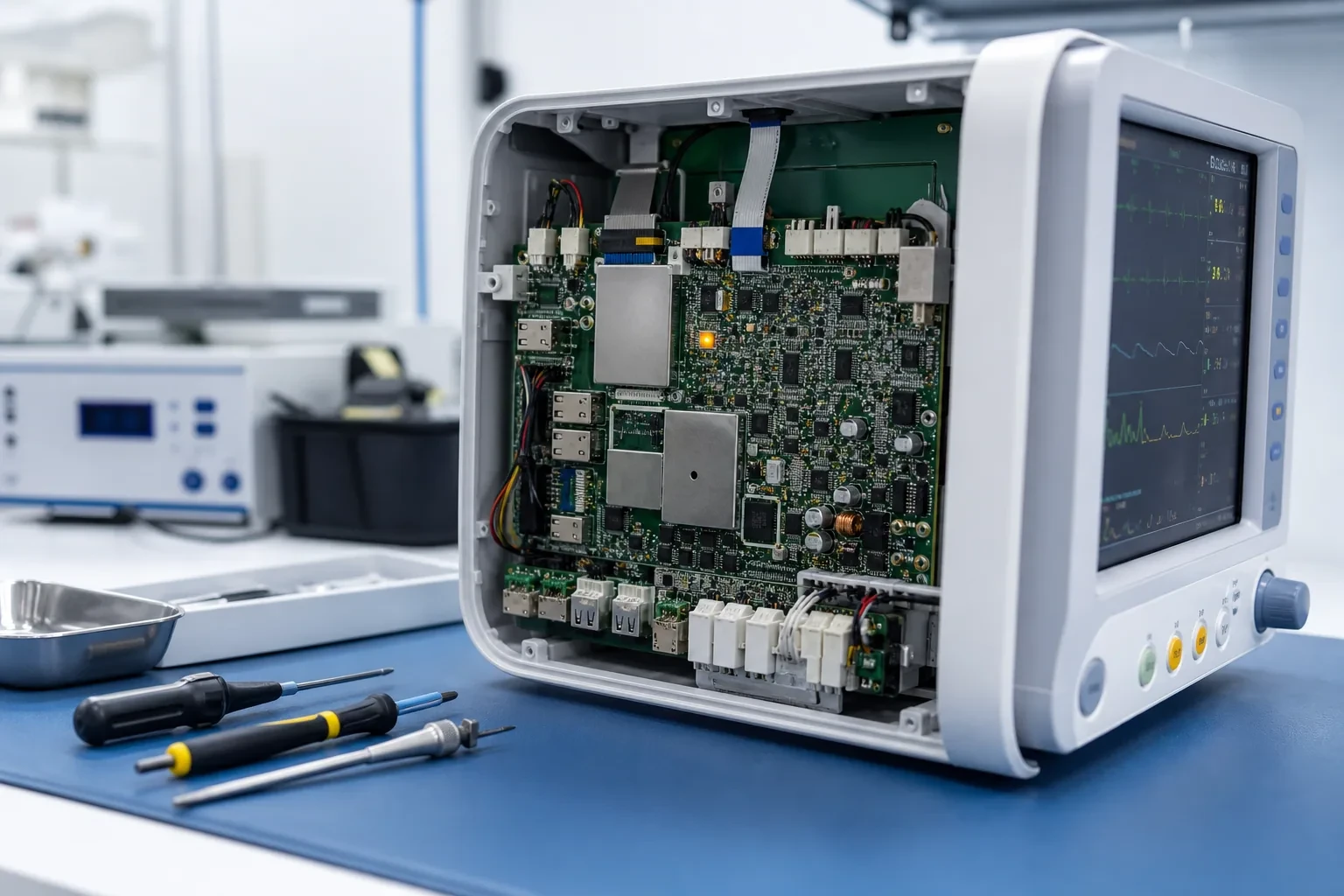
Representative fine-pitch medical electronics assembly scenarioMEDICAL ELECTRONICS

AI-generated product illustration — not a customer build.

MEDICAL ELECTRONICS

Fine-Pitch PCBA for a Medical Instrument

DESIGN QUESTION

Dense packages and small test points can make solder joints difficult to inspect or rework after assembly. Product documentation and traceability needs also vary by device.

WHAT TO DISCUSS

Review the BOM, package drawings, placement files and test access together. That makes it easier to choose assembly steps, inspection methods and any coating or record requirements that the product owner actually needs.

NEXT STEP

The outcome to aim for is a build plan that explains how the board will be inspected and tested. Medical-device compliance cannot be inferred from the board alone.

FINE-PITCH ASSEMBLYINSPECTION PLANDOCUMENTATIONPROJECT-SPECIFIC REVIEW
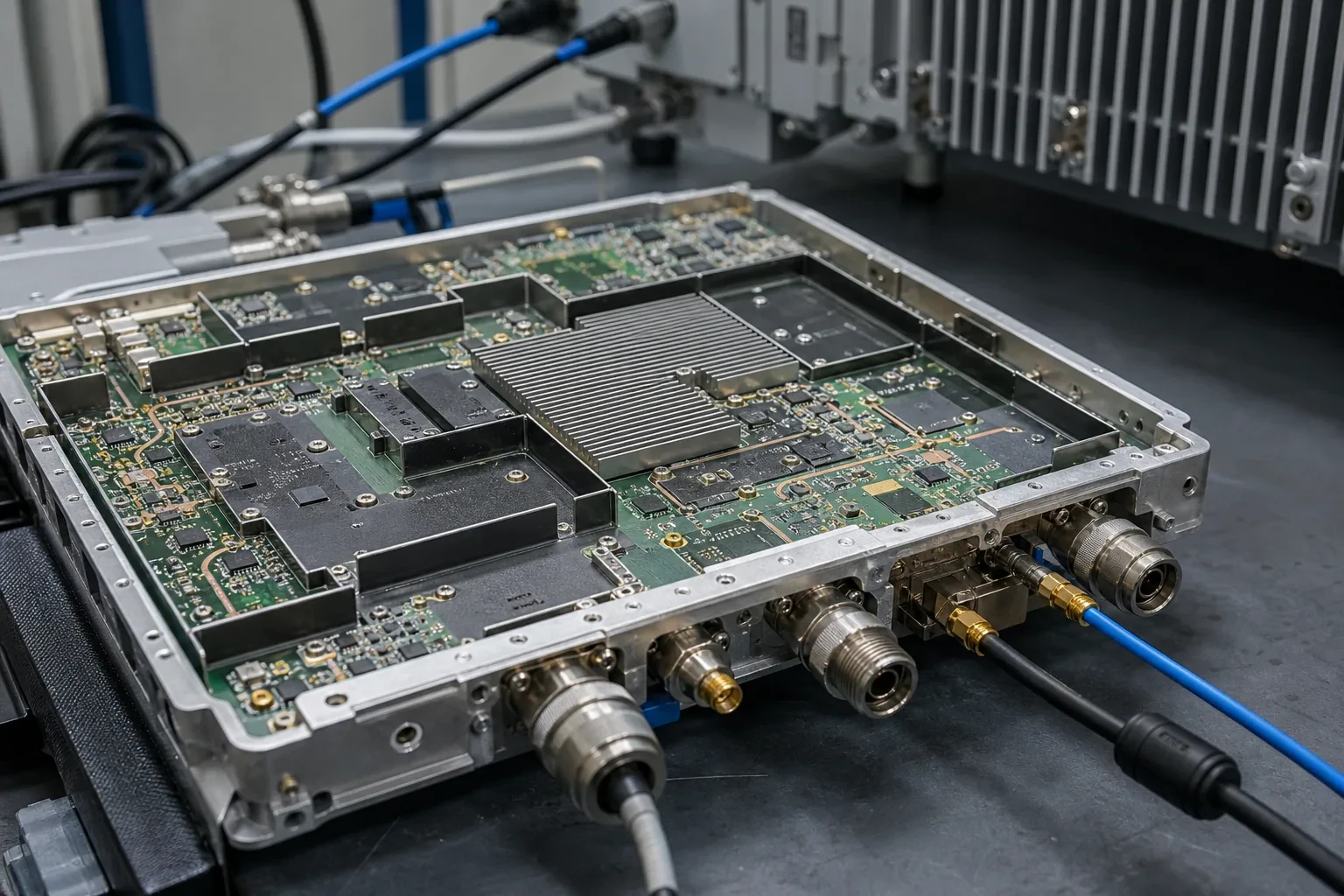
Representative high-speed RF and telecom PCB engineering scenarioTELECOM & RF

AI-generated product illustration — not a customer build.

TELECOM & RF

High-Speed RF PCB with Controlled Impedance

DESIGN QUESTION

At higher frequencies, a trace width that looks fine on a drawing can miss its impedance target if the dielectric and finished copper thickness change.

WHAT TO DISCUSS

Provide the impedance table, target frequencies, stackup constraints and connector details. These inputs help compare laminate choices, trace geometry, via structures and a practical measurement method.

NEXT STEP

The build should proceed with a defined stackup and impedance test method, plus any first-article checks the design calls for.

STACKUP REVIEWIMPEDANCE PLANVIA STRATEGYFIRST-ARTICLE CRITERIA

How to use these examples

Start with the design constraint, then choose the build route.

01Share the design files
02Discuss the process
03Agree the tests

Have a project in mind?

Upload your Gerber files, BOM, or project requirements.

Our engineering team reviews every inquiry personally — no automated pricing.

YOUR DESIGN FILES ARE PROTECTED UNDER STRICT CONFIDENTIALITY PROCEDURES. NDA AVAILABLE UPON REQUEST.Get a Quote →Contact Us
Before you request a build

Bring the design details that change the answer

A manufacturer can give a more useful answer when it knows the board's real constraints: current and heat, package density, frequency, test access and intended quantity. These examples are illustrations, not records of PCBArise customer projects or test results.

Show the board

Share the latest Gerber or ODB++, stackup and mechanical drawing, even if some details are still open.

Add the assembly files

For PCBA, include the BOM, placement data and any unusual component or programming requirements.

Explain the use conditions

Current, temperature, vibration, signal frequency and enclosure space can change material and process choices.

Describe the checks you need

Tell the supplier what must be inspected or tested and what information your team needs with the shipment.