
Before or after placement
Select the stage based on device support, package handling, board access, production flow, quantity and the evidence required by the project.
IC programming adds approved firmware or device data to the PCB assembly workflow under a defined release and verification plan. PCBArise reviews the target device, file identity, programming stage, quantity, traceability and test relationship before the operation is included in a production route.
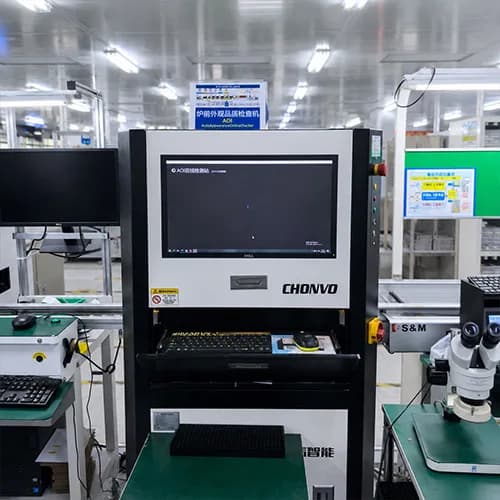
IC programming is the controlled loading of approved firmware, configuration data or other device content as part of an assembly order. Depending on the component and project, programming may occur before placement, during board assembly or after assembly through the defined production and test interface. The correct route is selected only after device data, board access, quantities and verification requirements are reviewed. The service boundary includes more than transferring a file. The customer must identify the approved programming image and version, the target manufacturer part number, configuration or security requirements, acceptable result criteria and the relationship to functional test. PCBArise then reviews feasibility, fixture or access needs, record expectations and change control for the quoted build.
Programming stage, file control, verification and traceability affect material flow and test planning. These decisions should be part of the released manufacturing package.
Select the stage based on device support, package handling, board access, production flow, quantity and the evidence required by the project.
Provide the controlled image, version identifier, checksum or other agreed identity method, configuration notes and named approval authority.
State whether the required evidence is a programmer result, read-back or checksum check, board-level response, functional test result or a project-specific combination.
Define whether programming records need to connect to work order, material lot, board serial number, firmware version or another customer-required identifier.
Use this reference to prepare a programming request that can be assessed with the PCB assembly and test package. Device-specific support remains subject to engineering review.
Final scope, limits and evidence are confirmed from the released build package.
| Target device | Manufacturer, manufacturer part number, package, reference designators and quantity identified without relying on a generic family name. |
|---|---|
| Board and assembly revision | Target PCB, BOM, CPL and assembly drawing revision stated so device location and production route can be reconciled. |
| Approved programming file | Released file supplied through the agreed transfer route with filename, version, date and customer approval identity. |
| File integrity | Checksum, manifest or another agreed method supplied when required to distinguish the approved image from similarly named files. |
| Configuration inputs | Device settings, memory regions, lock or security requirements and other project-specific instructions documented when applicable. |
| Programming stage | Pre-placement, in-process or post-assembly route proposed and confirmed after device, access, handling and quantity review. |
| Access and tooling | Board connection, fixture, adapter, socket, cable or other interface requirements included where the proposed route depends on them. |
| Verification criteria | Expected programming result, read-back, checksum, electrical response or functional behavior defined for the approved scope. |
| Traceability requirement | Work-order, lot, serial-number, version and result records identified at the granularity required by the order. |
| Change control | New firmware, rollback, rework or replacement-device instructions require a new approved release and clear disposition of affected assemblies. |
No single stage or evidence method fits every device and board. The final route follows the reviewed package and customer acceptance requirement.
| Pre-placement programming | May suit supported loose devices when packaging, handling, device identity, programmed-part control and placement flow can be managed. |
|---|---|
| Post-assembly programming | May suit boards with an approved accessible interface when electrical conditions, connection method and production sequence are defined. |
| Programmer result | Records the outcome reported by the approved programming operation but does not automatically replace board-level functional acceptance. |
| Read-back or checksum | May confirm programmed content under the agreed device and security conditions; feasibility depends on the specific configuration. |
| Board-level response | Uses an electrical or functional indication defined by the test plan to check that the programmed assembly behaves as expected. |
| Serialized evidence | Links device or board identity, firmware version and result where unit-level traceability is required and supported by the released process. |
| Failed programming | Hold the affected device or assembly and follow the agreed retry, rework, investigation and customer-disposition route. |
| Firmware revision change | Stop mixing releases, identify affected work in process and resume only against the newly approved file and disposition instructions. |
A successful programming result can show that the defined file was accepted by the target device under the chosen operation. It does not by itself prove that every circuit and product function meets the application requirement. Connect programming evidence to PCB Assembly Testing, resolve first-build access and instructions through Prototype PCB Assembly, and include the approved programming scope in Turnkey PCB Assembly planning.
The released route should let production identify the correct device, load the correct image, verify the agreed result and isolate any exception.
The operation is useful when the assembly order needs a defined device image and evidence that remains aligned with the released hardware and test plan.
Control early firmware versions while board access, first-article behavior and functional-test requirements are still being confirmed.
Include approved files, device identity, programming evidence and change control in the full material and assembly scope.
Confirm that the hardware revision, target device and approved firmware release still match before programming a repeat order.
Define whether devices arrive programmed, require verification or need a controlled programming step within a consigned build.
Use the agreed test plan to distinguish successful file loading from board-level electrical and functional acceptance.
Link board revision, BOM revision, firmware version and disposition rules when hardware and software releases change together.
These answers establish the release and evidence model. Exact device support, programming stage, tooling and capacity are confirmed during project review.
Provide the target manufacturer part number, package and designators; board and BOM revision; approved programming file and version; configuration instructions; build quantity; preferred stage; verification criteria; and required traceability.
Either route may be possible depending on the device, package, board access, tooling, handling needs, production quantity and evidence requirement. The final stage is confirmed after engineering review.
Use a released filename and version, an agreed integrity identifier where required, named customer approval and a work-order link. Any new release should follow change and disposition control before production resumes.
No. It confirms only the result defined for the programming operation. Board-level electrical or functional acceptance remains a separate requirement unless the reviewed test plan explicitly connects the evidence.
The affected material is held under the agreed exception route. Retry, rework, replacement, investigation or customer disposition should follow the released criteria and preserve traceability.
Use these pages to define first-build learning, production scope, capability review and the acceptance evidence for programmed assemblies.
Share the target device, board revision, approved file and version, quantity, programming-stage preference, verification criteria and traceability needs for engineering review.