Engineering sample
Confirm component orientation, assembly access and essential power-up behavior before committing to a larger lot.
Prototype PCB assembly helps you get populated boards into engineering tests while catching BOM, footprint and process issues early. Share your build files and validation goals so the first run also helps plan the next one.
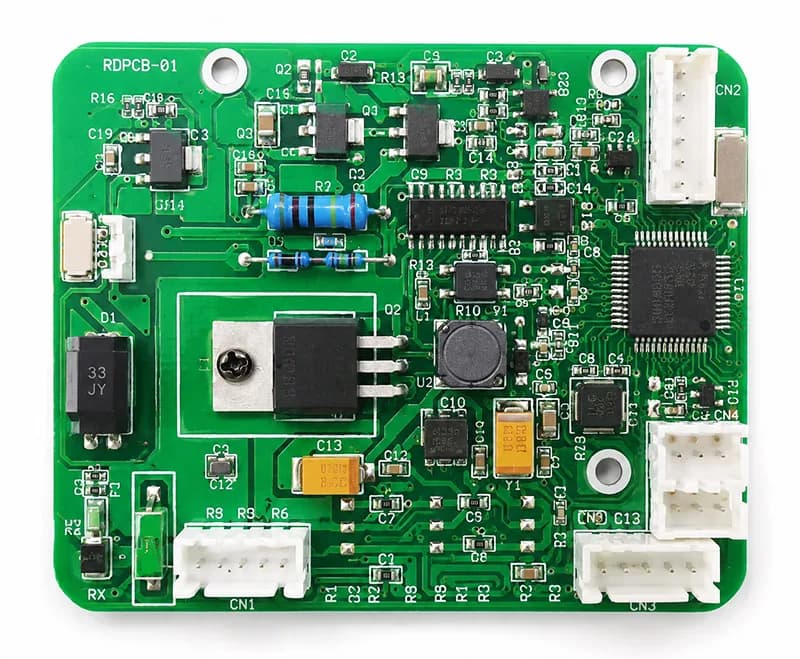
Prototype PCB assembly populates and verifies components on a fabricated PCB for engineering learning, design validation or an NPI pilot. It is different from PCB prototype manufacturing, which produces the unassembled bare board; this page focuses on the assembled hardware and the feedback loop into repeat production.
A useful prototype is not simply a small production order. It needs fast issue visibility, controlled substitutions and records that make the next revision or repeat build better.
Confirm component orientation, assembly access and essential power-up behavior before committing to a larger lot.
Run the intended materials and process route with inspection focused on high-risk packages and new design features.
Keep BOM, board and firmware revisions explicit so observed results can be attributed to the correct change.
Capture approved sources, process notes, programming and test settings that should carry into the next order.
The published prototype assembly planning range is 3–5 business days after files and materials are ready. Component procurement, bare-board fabrication, new fixtures and delivery add separate time; this is not an order-to-door promise.
Use the readiness rows to define the first build; quantity and timing remain specific to files, materials, setup and learning goals.
| Design data | Released fabrication and assembly files using one revision identifier |
|---|---|
| BOM status | Manufacturer part numbers, approved alternates and unavailable items identified |
| Critical components | Polarity, moisture sensitivity, programming and special handling documented |
| Build quantity | Quantity aligned to validation, rework and destructive-test needs |
| Inspection focus | Coverage chosen around new packages, hidden joints and design-specific risks |
| Programming | Approved image, version and interface supplied before the relevant operation |
| Functional checks | Procedure, limits and expected behavior defined at the level available for the prototype |
| Issue capture | Disposition, rework and design feedback recorded against the build revision |
Rushing incomplete files into procurement or placement moves uncertainty downstream. A short readiness review can separate material constraints, design questions and process setup before they become line stops.
The first run succeeds when it produces both usable hardware and trustworthy learning.
Select the prototype route when design learning and controlled iteration matter more than a generic volume label.
Quality documents
The published ISO records name Zhongshan Wenquan Electronic Manufacturing Co., Ltd. and its Zhongshan PCBA facility. They do not certify every PCBArise facility, service or product.
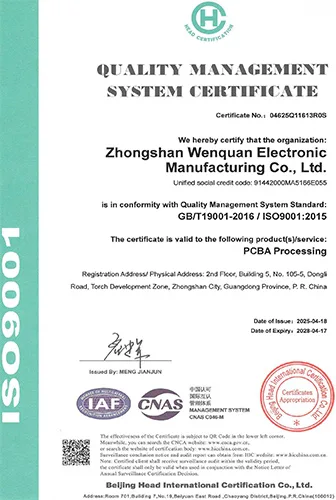
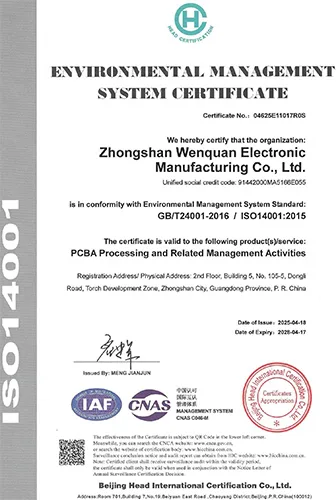
These are management-system certificates, not product or batch COAs. No batch inspection reports or COAs are currently published here.
Use these prototype PCB assembly answers to align quantity, material readiness, issue capture and the handoff from the first build to production.
There is no single published minimum that fits every prototype build. Specify how many usable boards your tests need, then separate that quantity from component pack sizes, placement losses and setup costs. Ask for those material and setup quantities as separate quote lines so a small build does not hide a large purchasing commitment.
Yes. The component sourcing review identifies availability, lifecycle issues, approved alternates and any customer-controlled parts before the prototype assembly route is confirmed.
Use 3–5 business days as the published prototype assembly planning range once the files and materials are ready. A 24–48 hour rush route is listed only where materials, process and line availability support it. Add procurement, bare-board fabrication, fixture development and transport separately when planning the delivery date.
Release a reconciled revision, close prototype issues, approve sources and retain the process, programming and test settings that should become the repeat-build baseline.
Connect NPI work to turnkey delivery, SMT process review, assembly capabilities and BOM sourcing through the Assembly routes.
Share the current fabrication package, BOM, CPL, drawings, validation goals and available test requirements for a prototype PCB assembly review.